

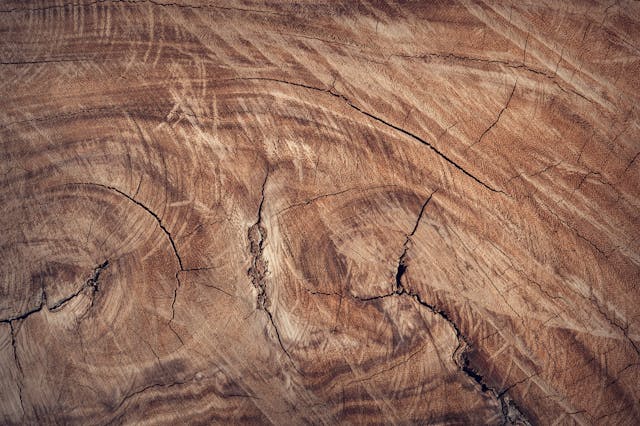
Making your own wooden cutting board is a rewarding and practical woodworking project that requires only basic tools and materials. A cutting board is not only a functional kitchen essential but also an attractive addition to your home, and crafting one yourself allows you to customize the size, shape, and design. Whether you are a beginner or a hobbyist woodworker, this project provides a great opportunity to learn the fundamentals of woodworking, finishing, and food-safe treatment. With patience and the right preparation, you can create a beautiful cutting board that will last for years.
Choosing the Right Wood
The first step in making a wooden cutting board is selecting the right type of wood. Not all woods are suitable for kitchen use, as some may contain toxins or be too soft for repeated cutting. The best woods for cutting boards are hardwoods with tight, closed grain structures that resist moisture absorption. Popular options include maple, walnut, cherry, beech, and oak. Maple, particularly hard maple, is one of the most common choices due to its durability and resistance to knife marks.
Avoid using softwoods like pine, cedar, or fir, as they dent easily and can release resins that affect food safety. It’s also important to choose wood that is free of cracks, knots, or irregular grain patterns, as these can weaken the board and trap bacteria. Look for kiln-dried lumber with a moisture content of around 6 to 8 percent to prevent warping over time.
Planning Your Design and Dimensions
Before cutting or gluing anything, it’s important to plan the dimensions and design of your cutting board. The most common size for a standard cutting board is around 30 to 40 centimeters long and 20 to 30 centimeters wide, with a thickness of about 2.5 centimeters. However, you can adjust these measurements depending on your needs and the available wood. A larger board is ideal for chopping vegetables and meats, while a smaller one works well for serving cheese or bread.
There are three main types of cutting boards based on the wood grain orientation: face grain, edge grain, and end grain. A face grain board shows the flat surface of the wood, providing a smooth, attractive appearance but slightly less resistance to knife cuts. An edge grain board, made from the long sides of wood strips, is stronger and more durable for regular use. An end grain board, showing the wood fibers vertically, is the most resistant to cuts and can “self-heal,” but it requires more time and effort to make.
Cutting and Preparing the Wood
Once you have decided on the type and size of your cutting board, it’s time to prepare the wood. Begin by cutting the lumber into strips or sections using a table saw or circular saw. Each strip should be the same width and thickness to ensure an even surface when glued together. For example, if you are making an edge grain board, cut the wood into 4-centimeter-wide strips.
Next, use a planer or sander to smooth each piece. This step is essential because it allows the glued edges to fit tightly, reducing gaps and preventing water from seeping in. Ensure all surfaces are square and flat. Any unevenness at this stage will make it difficult to achieve a uniform board later.
Gluing and Clamping
After preparing your pieces, arrange them in the desired pattern. You can alternate the direction of the wood grain for visual appeal and added stability. Apply a generous amount of food-safe wood glue, such as Titebond III, to the edges of each strip. Spread the glue evenly using a brush or roller to ensure a complete bond.
Once glued, clamp the pieces together firmly using bar clamps or pipe clamps. Place the clamps on both the top and bottom to distribute pressure evenly. Be careful not to overtighten, as excessive pressure can squeeze out too much glue and weaken the bond. Wipe off any excess glue with a damp cloth before it dries. Leave the board clamped for at least 24 hours to allow the glue to cure completely.
Trimming and Sanding
When the glue has dried, remove the clamps and inspect the board. You will likely notice some unevenness along the edges or glue residue on the surface. Use a table saw or circular saw to trim the ends and sides, creating clean, straight edges. This step gives your cutting board its final shape.
Next, begin sanding the surface. Start with coarse sandpaper, such as 80-grit, to remove rough spots and level any minor imperfections. Progressively move to finer grits, such as 120, 180, and finally 220, until the board feels smooth to the touch. Always sand in the direction of the grain to avoid scratches. If desired, you can round the edges slightly with sandpaper or a router for a more polished look.
Applying a Food-Safe Finish
To protect your cutting board from moisture and food stains, you need to apply a food-safe finish. The most common options are mineral oil, beeswax, or a combination of both. Do not use vegetable or olive oil, as these can go rancid over time and produce unpleasant odors.
To apply mineral oil, pour a small amount onto the surface and spread it evenly with a soft cloth or paper towel. Allow the oil to soak into the wood for several hours, then wipe off any excess. Repeat this process several times until the board stops absorbing oil. You can also finish the board with a mixture of beeswax and mineral oil, which adds an extra layer of protection and shine. Simply rub the mixture on, let it sit for about 20 minutes, and buff it with a clean cloth.
Maintenance and Care
A well-maintained cutting board can last decades. To keep it in good condition, avoid soaking it in water or putting it in the dishwasher, as excessive moisture and heat can cause warping or splitting. After each use, wash the board with mild soap and warm water, then dry it thoroughly with a towel. Store it upright to allow airflow around the surfaces.
Reapply mineral oil every few weeks or whenever the wood appears dry. To sanitize, occasionally wipe the surface with a mixture of white vinegar and water or sprinkle coarse salt and rub it with half a lemon. These natural cleaning methods help remove bacteria and keep your cutting board fresh.
Check Out Our Wooden Cutting Boards
Making your own wooden cutting board is a satisfying project that blends craftsmanship with practicality. It allows you to create a personalized kitchen tool that reflects your style while being durable and functional. With proper care, your handmade board will not only serve as a reliable surface for meal preparation but can also become a family heirloom passed down through generations. Whether you choose a simple design or a complex pattern, the process teaches valuable woodworking skills and delivers a result you can be proud of.